The Naming of Riders
Three days
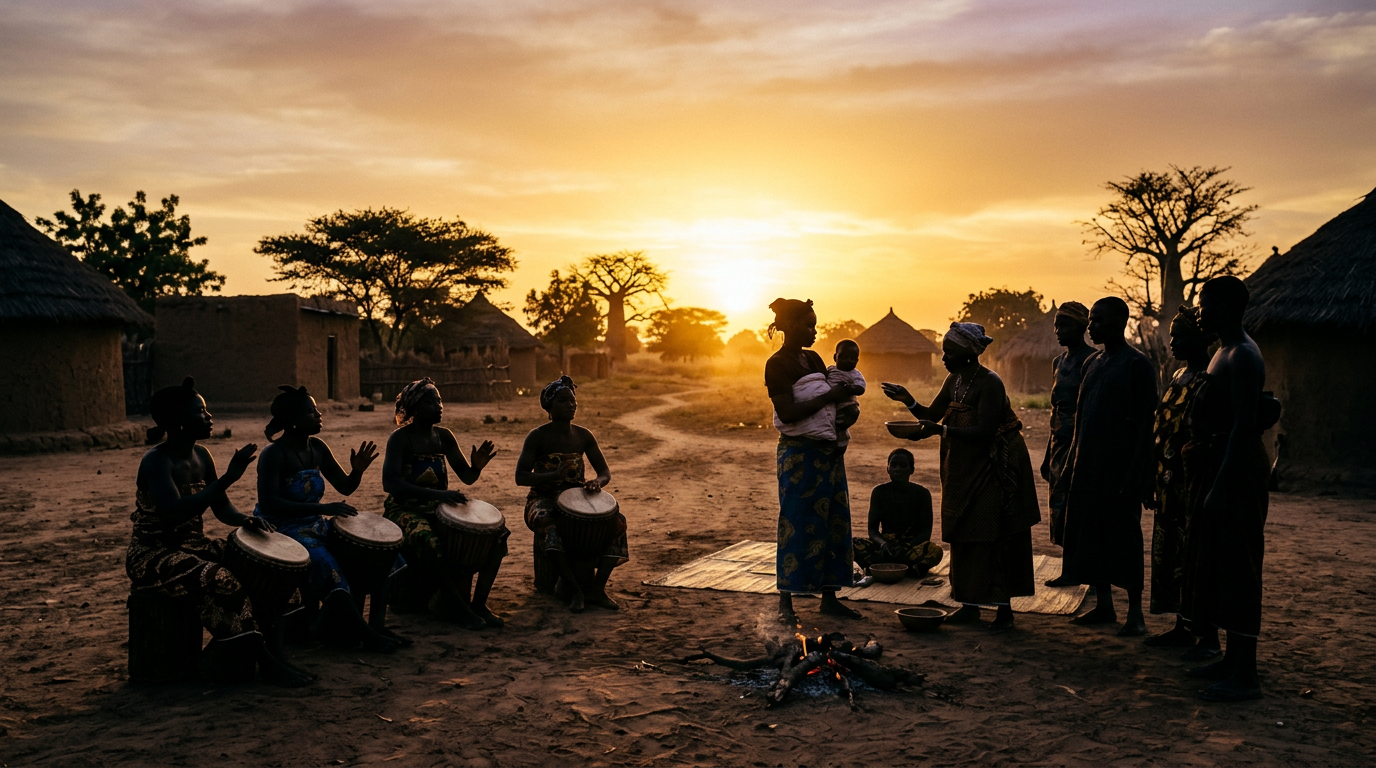
The village waited three days before the naming. Three days for the mother’s blood to remember its smaller river. Three days for the child’s voice to stake a claim among the living. Three days for the medicine woman to listen to the space between the boy’s breaths and decide how much truth a village could carry without breaking its teeth on it.
On the third morning the drums began before the dew gave up its cool. The mother came with her sisters on either side of her like oars. The infant lay against her chest wrapped in a cloth saved for long years for the day a hard birth ended with a living child. Names are not decorations here. A name is a tool and a tether and a promise. It is a house built from sound where the spirit rests when storms rise.
When the time came, the mother’s voice trembled but grew steady as she pushed it forward.
Ayomide, she said.
Joy has returned.
The name fell into the dirt as a seed falls into a furrow and the ground did what the ground has always done with seeds. It held it. The women keened. The men struck their staffs once against the earth. The medicine woman did not clap. She kept her eyes on the boy and on the place just behind his ribs where she saw the second shadow ride like a hawk over still water.
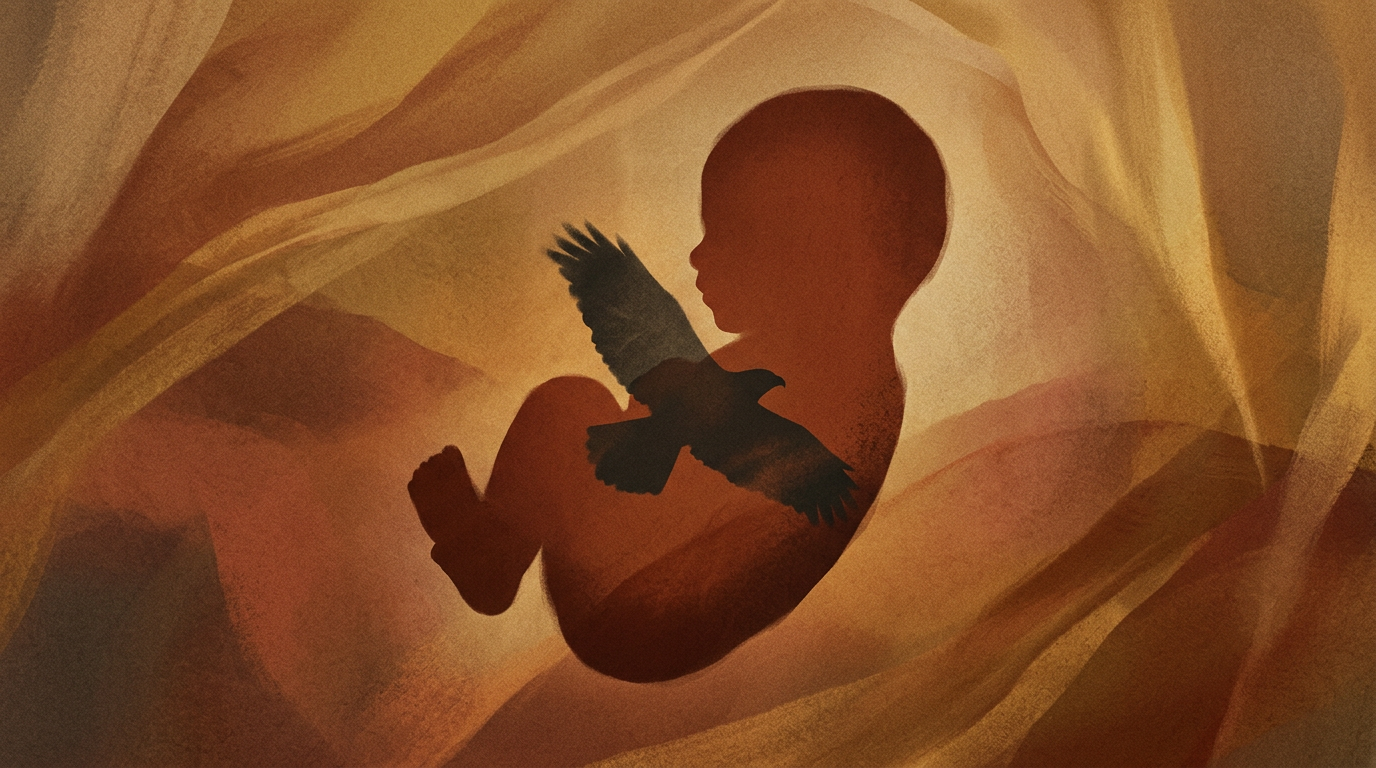
She did not deny the name. Joy is not a lie because it stands beside grief.
Signs in childhood
Ayomide’s days thickened into a childhood. Before he learned to run, the village learned to watch him. When he laughed too hard the edge of the cooking fire lifted and then remembered itself. When he opened his hands to the dust a small wind crossed the clearing as if something had decided to pass there without asking. Once a snake slid toward the doorway and then turned back on itself as if it had overheard an order not meant for its kind.
The river
When Ayomide was five he wandered to the river. He stepped into the shallows and the air folded. The river pulled its noise back into its chest. The trees at the bank went still.
Shango arrived first and did not apologize for it. Heat took the measure of the boy’s skin. A red light came into the day that had not been there a heartbeat earlier. Shango lowered to meet him and said, “You are marked by another wind. I do not like it. But I see you.”
Then sweetness moved across the day and Oshun stepped from the river as if the water had been waiting for the exact shape of her ankle. She kissed the boy’s cheek and said, “Storms pass. Rivers remain.”
Ogun came from the trees and placed a living sprig in the boy’s palm.
Last Yemoja rose and the river remembered that it leads to her whether it says so or not. She laid her hand on the boy’s chest. The breath that had grown fast without permission slowed and matched her palm. “You will be carried farther than you know,” she said. “Do not forget whose waters bore you first.”

Ayomide walked home with his feet unsure of earth. The medicine woman saw the pattern clearly now. The Orisha had visited. They had left gifts and warnings in equal measure.
Dreams with teeth
The dreams began to show their teeth.
One night the child stood again in a room he did not know he knew. Water turned black in bowls that had kept clarity for years. Another night a wing that belonged to desert heat folded itself around him from inside his ribs. He woke with a shout that made a coal jump in the fire pit.
Cheval
When Ayomide was seven he met a company that did not belong to this bank and yet spoke language his bones recognized. A man in a black coat leaned against a trunk and called him cheval. Horse.
“I am not a horse,” Ayomide said.
“You will be,” the man replied. “We all are.”
Behind him stood others, beautiful, dangerous, laughing, and old. The boy felt a step inside him step forward. Pazuzu felt it too and shoved hard against the inside of the boy’s chest as if to keep a door from opening.
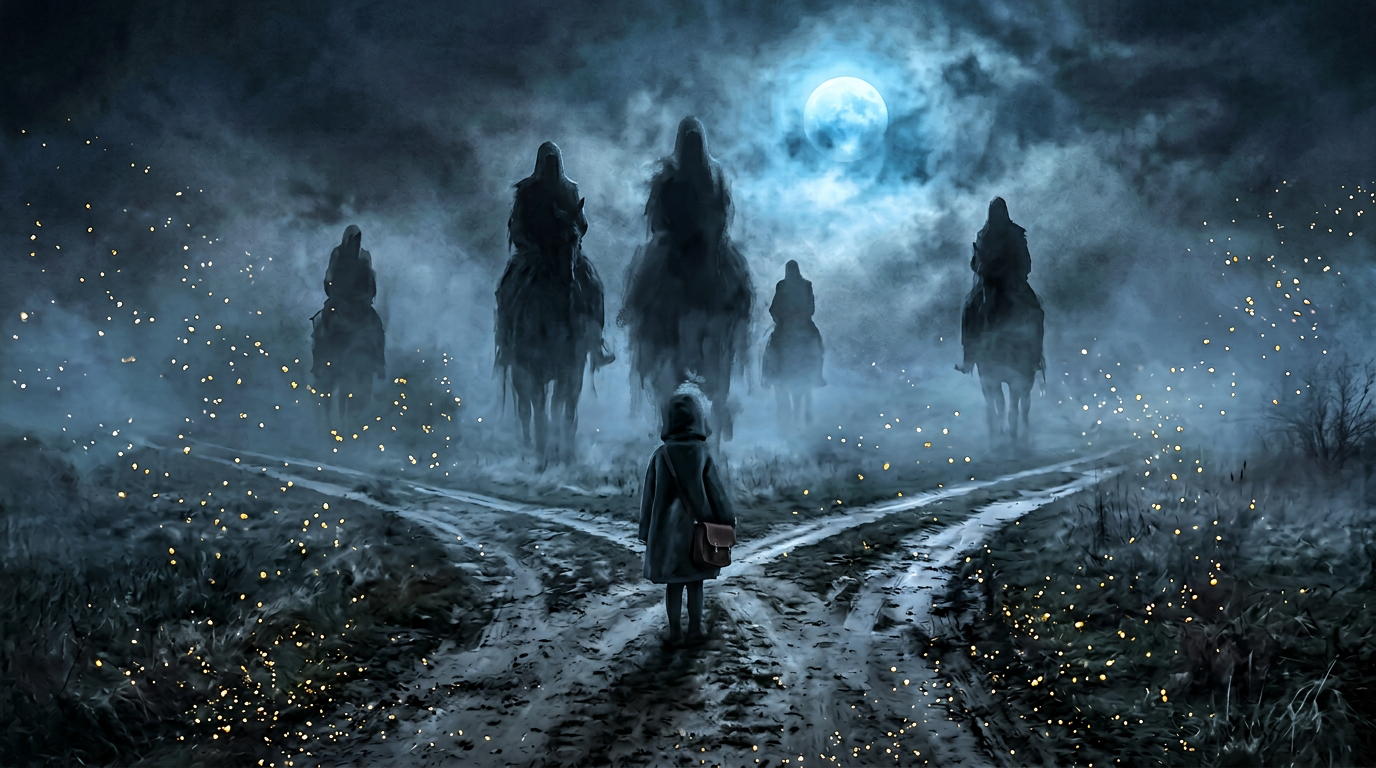
The medicine woman listened to the account and said only this: “The world is calling you from every direction. That is not always a gift.”
The ninth year
The ninth year approached. The village wove a small celebration around him because nine is a threshold that does not know its own power until later. But the medicine woman did not dance. She kept her mouth still and let her ears listen for a footstep that did not belong.
Night pressed down with the weight it borrows when it is about to witness a thing it cannot explain afterward. Ayomide rose from his mat and walked toward the river because it had begun to keep a part of his name in its pocket.
A man stood at the bank. His robes were not of this place. Charms hung from his wrists and knocked softly against each other like practicing teeth. His eyes were thin as blades.
“You are marked,” the man said. “Not by one god. By many. You are mine now.”
Ayomide tried to turn and his feet decided they were stone in the road. The charms clattered and the air closed over the boy like a pot lid. Pazuzu surged and hit iron. The thing the man carried was a crooked ritual taught by someone who had learned to feed hunger with hunger and call the meal a sacrament. It bound the demon into a tighter silence and Ayomide felt for the first time the shape of that silence as a cage.
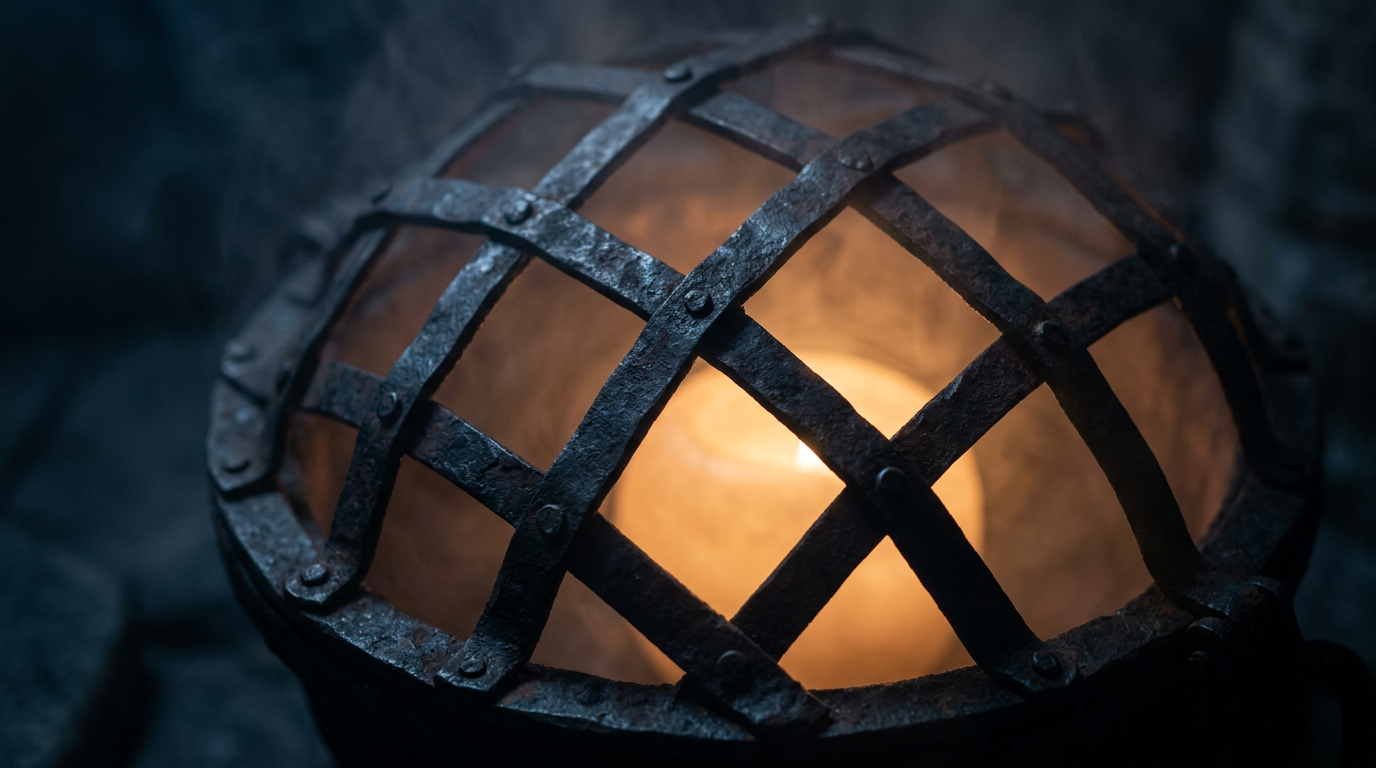
The medicine woman fell awake with a shout. She ran to the mother’s mat and found the empty where children should be. She ran to the bank and the moon held just enough light to show footprints that ended where the dark learned to forget steps.
She knelt and set her hands in the sand as if the ground might take a message faster than air.
“The riders are not done,” she said to the water that had carried him once. “The riders will never be done.”
After the story: naming, riders, ethics
Speculative content, said plainly: This is mythic fiction—a story map about inheritance, multiplicity, and what happens when naming meets extraction. It is not a guide to initiating anyone into a tradition you do not belong to, and not a literal report from spirit geography. Hold it like poetry with consequences: if it clarifies something in you, test that clarity in behavior, boundaries, and care.
Moves
- Name what rides you without glamour—anger, genius, grief, hunger for proof. Plain words reduce accidental possession.
- Separate gift from obligation. Being sensitive is not the same as owing every voice that knocks.
- One elder container—teacher, lineage, therapy, elders you trust—for experiences you cannot metabolize alone.
- Track sleep and appetite when the imagery gets loud. Bodies keep honest books.
- Ask who profits from your scattered attention. Sometimes it is vanity. Sometimes it is someone else’s crooked ritual.
Safeguards
- Closed initiations stay closed. Do not play pretend-priest because a story moved you.
- Children and vulnerable people deserve protection from adults who “see destiny” too conveniently. If power rushes toward access, suspect it.
- Integration after intensity—visions and visitations need ground: food, sleep, accountability, community.
When you are ready to name what is riding you—and what is only borrowing your face—the assessment is where we begin.