
Stay awhile, and bring your patience, because this is the conversation people most want to rush, and rushing it is how they get it wrong. Every month somebody writes to me, or sits across from me, with the same bright urgency in their eyes. A god has called them. Not a god from an open road that anyone may walk, but a god of a closed faith, a faith with doors, with elders, with initiations and obligations and a house that has kept itself alive for centuries by being careful about who carries what. And the person across from me is nearly always sincere, and nearly always asking the same question underneath the question. The god chose me. Does that not settle it. Does the call not open the door by itself. No. It does not. And if you hear nothing else at my fire tonight, hear that. A call is not a key. A call is a summons to the door. What happens at the door is not yours to decide, and it never was.
Let me tell you how a real call behaves, because I have watched them, and carried one, and the behavior is so consistent that you can set your watch by it. A real call is quiet, and it is patient, and it is pointed. It does not flatter you. It does not arrive with a title for you or a destiny speech. It arrives like a road you keep finding yourself standing on in your dreams, like a name that keeps surfacing in your life through other people’s mouths, like a pull toward a specific house with a specific door, and it comes with work attached, the way a letter from a court comes with a date in it. And here is the part the internet does not want to hear. A real call sends you to the gatekeepers. It sends you to the elders, to the priests, to the divination of that house performed by the people that house authorizes, and it makes you wait there, politely, for an answer that is not yours to give yourself. Because the being doing the calling has a house, and the house has rules, and the being honors its own house. A god who respects his own people does not sneak a stranger in through the window and hide him from the elders. That is not how a king treats his own court. If he wants you, he will walk you to the front door in daylight, and let his own people look at you, and the looking is part of the call.
Now let me tell you about the other thing, the thing that wears a call’s clothes. Some years ago a young man came to me, bright and burning, certain that a great being of a closed tradition had claimed him personally. He had the dreams. He had the signs. He had a shelf of books and a cart full of objects and a story for every coincidence in his week. And I asked him one question, the only question that matters early. What has it asked of you so far. He looked at me as if I had spoken another language. It had asked for nothing. It had only ever agreed with him. It confirmed his gifts, it confirmed his importance, it confirmed that the elders of that tradition, whom he had never met, would simply slow him down with their rules, and that his call placed him past all that. Friend, listen to me. A call that never asks anything of you is a mirror with good lighting. Whatever was speaking to that young man, it was not a god of that house, because a god of that house would have had obligations in his mouth within the hour, and duties, and a door. What he had was an appetite of his own, dressed in a famous face, plus one more thing that nobody wants named. There is a version of that god built out of books and forums and other people’s longing, a thought form fattened on attention, and that thing will call anybody, all day, every day, because attention is what it eats. The real one keeps books. The imitation keeps an audience.

And now the part where I do not pull the punch, because the punch is the point. The closed faiths are closed for a reason, and the reason is written in history in blood and ash. These traditions survived ships and chains and laws written specifically to kill them. They survived because grandmothers hid them. Because priests memorized what could not be written and carried it in their bodies across water. Because the door was kept, and kept carefully, by people who understood that a thing everybody can grab is a thing nobody is responsible for, and that what nobody is responsible for dies. When a person from outside that history announces that a god has exempted them from the door, what I hear, and I will say it at my own fire without apology, is the oldest reflex in the colonial book wearing spiritual clothes. I want it, therefore it is mine. I feel it strongly, therefore the rules are oppression. No. That is not a calling. That is a shopping instinct with incense on it. Your longing is real, and it deserves respect, and it will be respected most by the very door you are trying to walk around, because that door is where longing gets tested and turned into something that can actually carry weight.
So how do you tell, in your own life, whether the pull you feel is a summons or an appetite. I will give you the tests the way they were given to me, and none of them are fast, because the truth on this road has never once been fast. Does it survive time. A real call will wait with you for years, quiet and undiminished, while you grow into somebody who can carry it. An appetite needs feeding by Friday. Does it survive inconvenience. If the pull evaporates the moment it costs you money, pride, or comfort, it was never a call, it was a costume you liked. Does it survive the word no. This one is the crucible. If an elder of that house, or that house’s own divination, tells you not this door, or not yet, or your road runs through your own ancestors first, and your call curdles into resentment, then it was your will all along, wearing the god’s name like a borrowed coat. A real summons can bear a refusal, because it came from a being who can also afford to wait, and who told you himself to ask at the door. And does it make you more obligated or more important. Mark that one well. Every true call I have ever witnessed made a person more responsible, more humble, and more bound. Every false one made a person more special. Special is the tell. Duty is the signature.
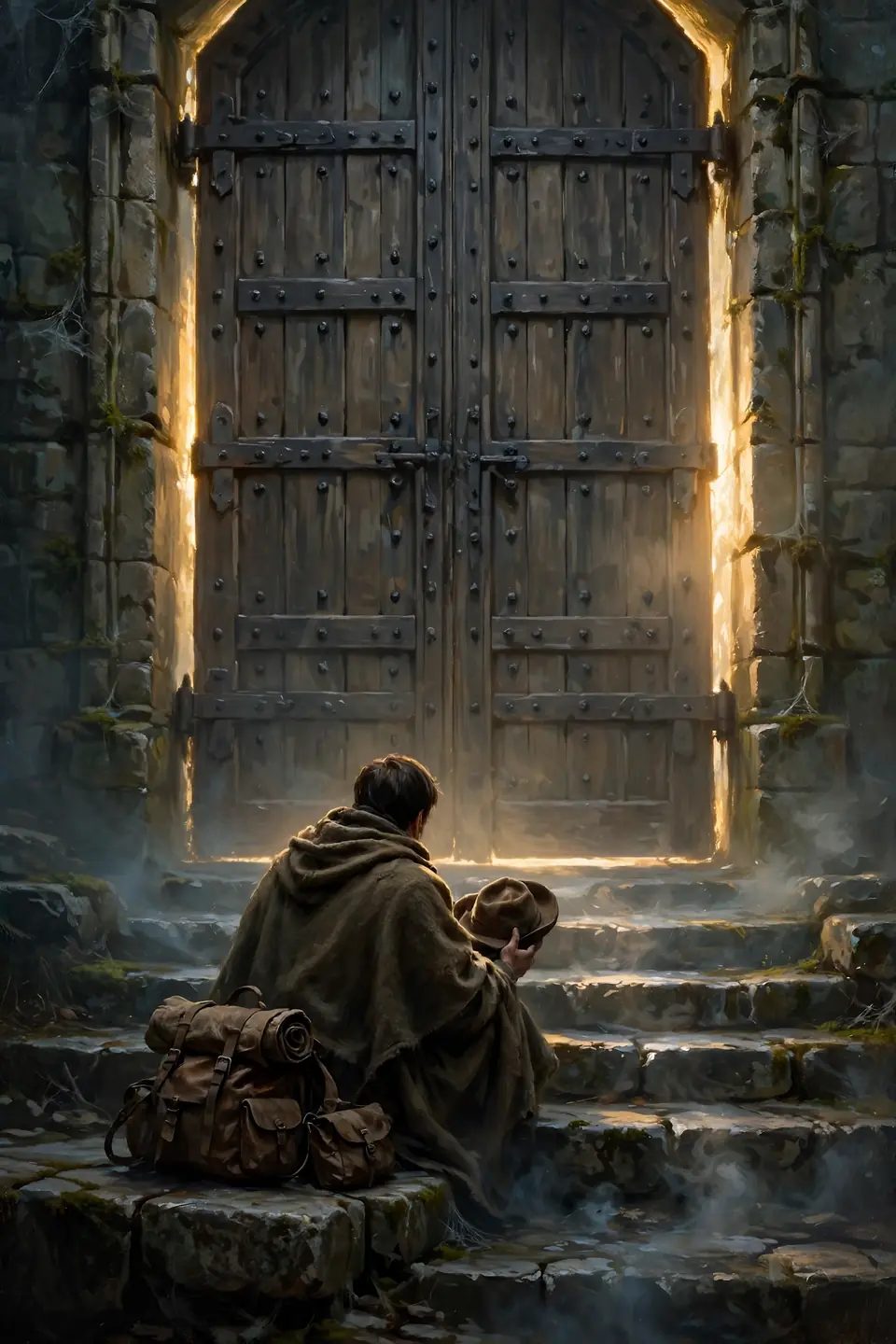
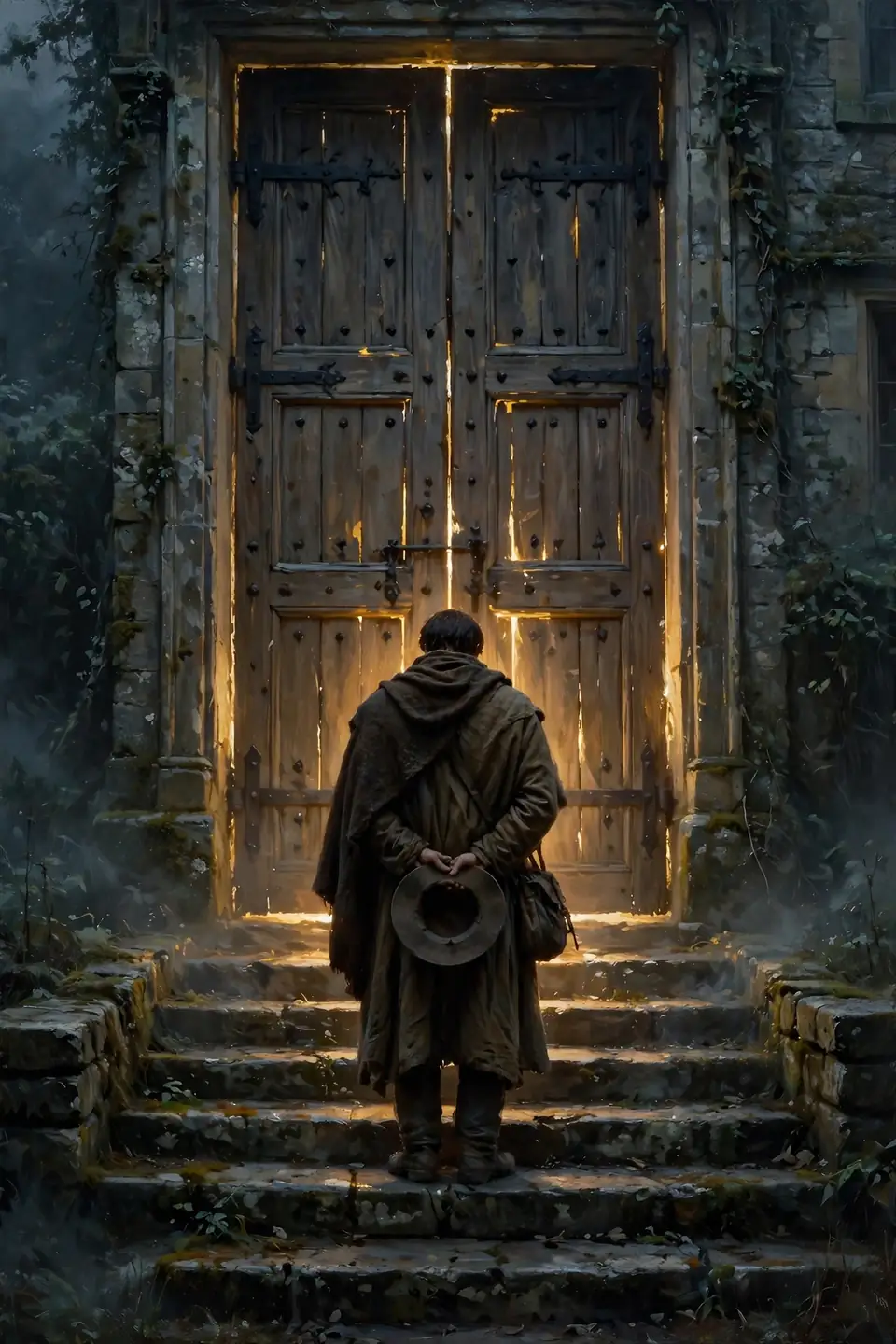
One more thing, and then I will let the fire settle. Being called by a god of a closed faith, truly called, does not make you a member of that faith, and it does not make you an exception, and it does not make the people of that house your supporting cast. It makes you a guest standing at a threshold with your hat in your hands, and there is no shame in that posture. It is the correct one. Some of you will be brought inside, through the proper doors, by the proper people, in the proper time, and it will change your life in ways that have nothing to do with being chosen and everything to do with being bound. Some of you will be told that your road is real but runs elsewhere, through your own blood and your own dead, and that answer is not a rejection either. It is a direction. Either way, the summons was never a key. It was a knock, from the other side, and the dignity of the whole thing, yours and theirs, is in how you answer it. Slowly. At the door. Like somebody who understands what doors are for.
If this landed and you want a human in the room, tell the concierge what is going on.
Begin with the concierge