

Stay awhile. Last time we sat here we talked about being called, and about the door, and about how a call is not a key. Tonight we go one step further in, to the word people reach for when “called” starts feeling too small for what has hold of them. Claimed. It is all over the internet now, worn like a title, printed under names like a rank. And I am here to tell you, from inside a life that carries one, that claimed is not a compliment and it is not a rank and it is not a brand. A claim is a hand on your life that was there before you had language for it, and once you see it you cannot unsee it, and it will cost you things you would not have chosen to pay. If that sentence frightens you a little, good. You are closer to understanding it than the people selling it as an aesthetic.
Understand the difference first, because the difference is everything. A call knocks. It comes to a person at the door of a house and waits to see what they will do, and I have already told you how that works and what a summons asks of you. A claim is older than the knocking. A claim is when a being has taken an interest in a life the way weather takes an interest in a coastline, over years, shaping it. Long before the person goes looking for gods, the pattern is already in the record if you know how to read one. The same signature in the childhood accidents that should have ended things and did not. The same colors surfacing in dreams before the dreamer ever heard the being’s name. Doors that slammed shut all through a life, always at the same kind of threshold, and doors that opened against every odd, always toward the same kind of work. People come to me and tell me the story of their call as if it began last spring, with a book or a video or a powerful night. Sometimes it did, and it is a call. But sometimes, when I sit with the whole of the life and read it the way you read a chart, the thing goes back to the beginning like a watermark in the paper. That is not a call. That is a claim, and the last spring was only when the person finally learned to read.

Let me tell you about a woman who spent ten years trying to hand hers back. She did not want it. She had not asked for it; it predated her asking, which is rather the point. She did everything a sensible person does to refuse a thing. She moved. She married out of the world it came from. She threw away the objects, burned a letter I will not describe, and sat in a therapist’s office for two years saying the word coincidence until she nearly believed it. And the pattern kept arriving, patient as tide, in the same signature, through different cities and different surnames, until one night she sat across from me and said the truest sentence I have ever heard on the subject. She said, I do not get to not be his. I only get to decide whether I carry it well. That is what a claim feels like from the inside when it is real. It is not a warm bath of chosenness. It is the discovery that some part of your life was never entirely yours to negotiate, and that your freedom, which is real, lives in how you carry the thing, not in whether you carry it. I watched her stop running that year. Nothing about her circumstances got softer. She got stronger, and quieter, and the being’s work started moving through her life like water finding its level. That is the trade. It has always been the trade.

Now the counterfeit, because there is always a counterfeit, and this one is loud. The self-declared claim, announced a season after the first book was finished, does a very specific thing. It exempts. It places the person above the house rules, above the elders, above the slow confirmations that everybody else has to walk through. The god wants me too much, apparently, to bother with doors. Friend, hear me, and I say this as a man whose own life is bound up with beings he did not invent. A real claim does not exempt you from the house. It delivers you to the house with your name already spoken for, which is a heavier position, not a lighter one. The claimed get more scrutiny, not less, because they carry the being’s name into rooms, and a house that has survived centuries protects its name. And a real claim does not erase the person carrying it. I do not hold with the puppet talk, the idea that a claimed man is a horse to be ridden and emptied. Nothing in my life has ever taken my sovereignty, and no being worth the name has ever asked for it. The relationship is not a possession. It is a bond between two wills, and the human will in it remains answerable for everything it does. Any voice, from any direction, that tells you a claim means you are no longer responsible for your own hands is lying to you, and it is lying for a reason, and you should ask what the reason eats.
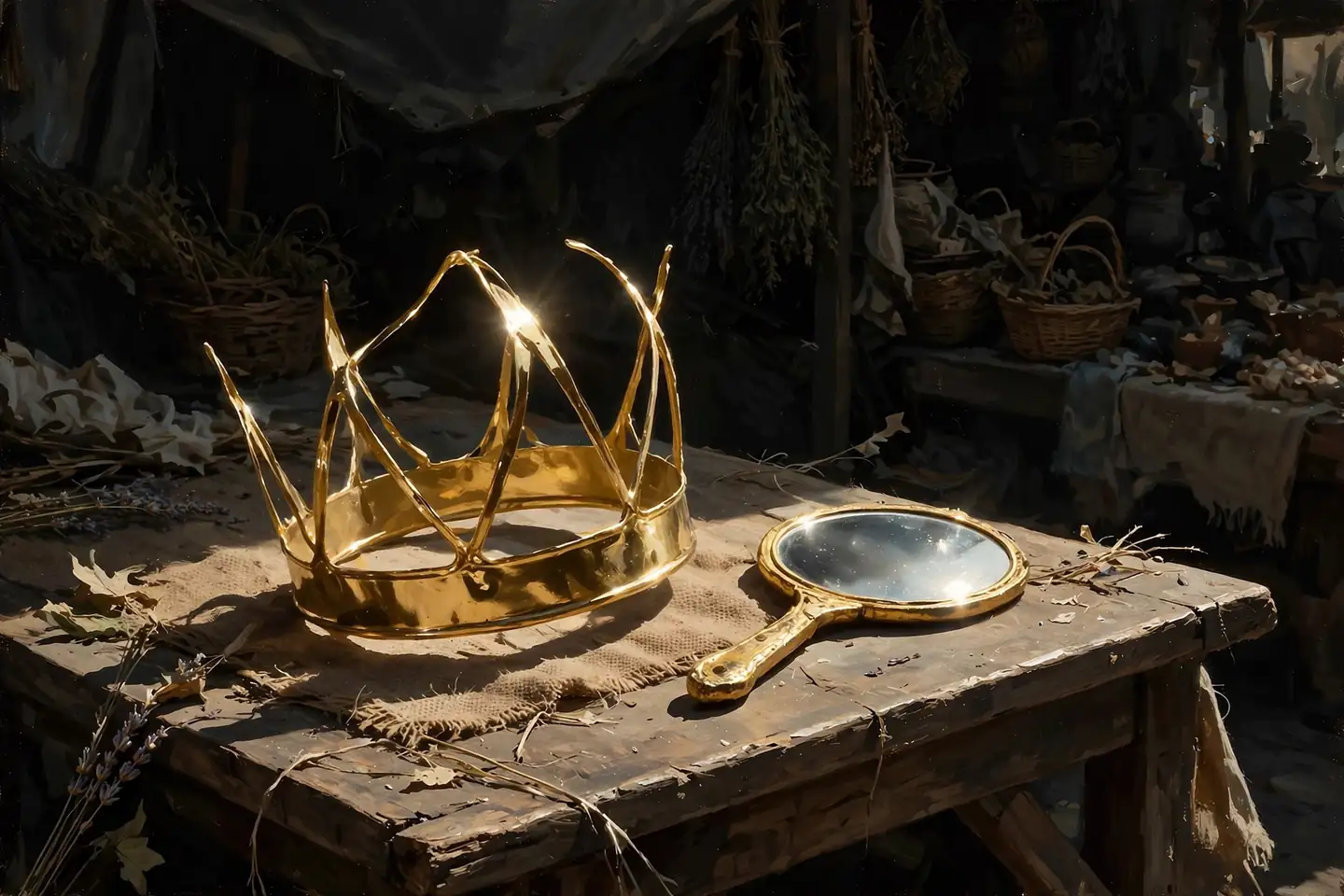
So the tests, then, since I know you are keeping count by the fire. Does it predate your wanting it. A real claim was shaping your life before you had the vocabulary, and other people, elders, readers, the house’s own divination, can find it in the record without you leading them there. Does it survive your refusal. Appetites sulk and die when denied; a claim waits you out like family. Does it bind you or does it crown you. Every true claim I have ever witnessed put obligations on a person’s calendar and names on their conscience; every false one put a title under their name and a chip on their shoulder. Does it answer to the house. The claimed still go to the door, still submit to the looking, still accept correction, and the being is honored, not insulted, by their obedience to his own people’s law. And does it cost. Not as punishment. As structure. There are marriages it will strain and careers it will end and ordinary peace it will tax, and if your supposed claim has only ever brought you admiration, you are not carrying a claim. You are carrying a mirror again, and I have told you what mirrors eat.
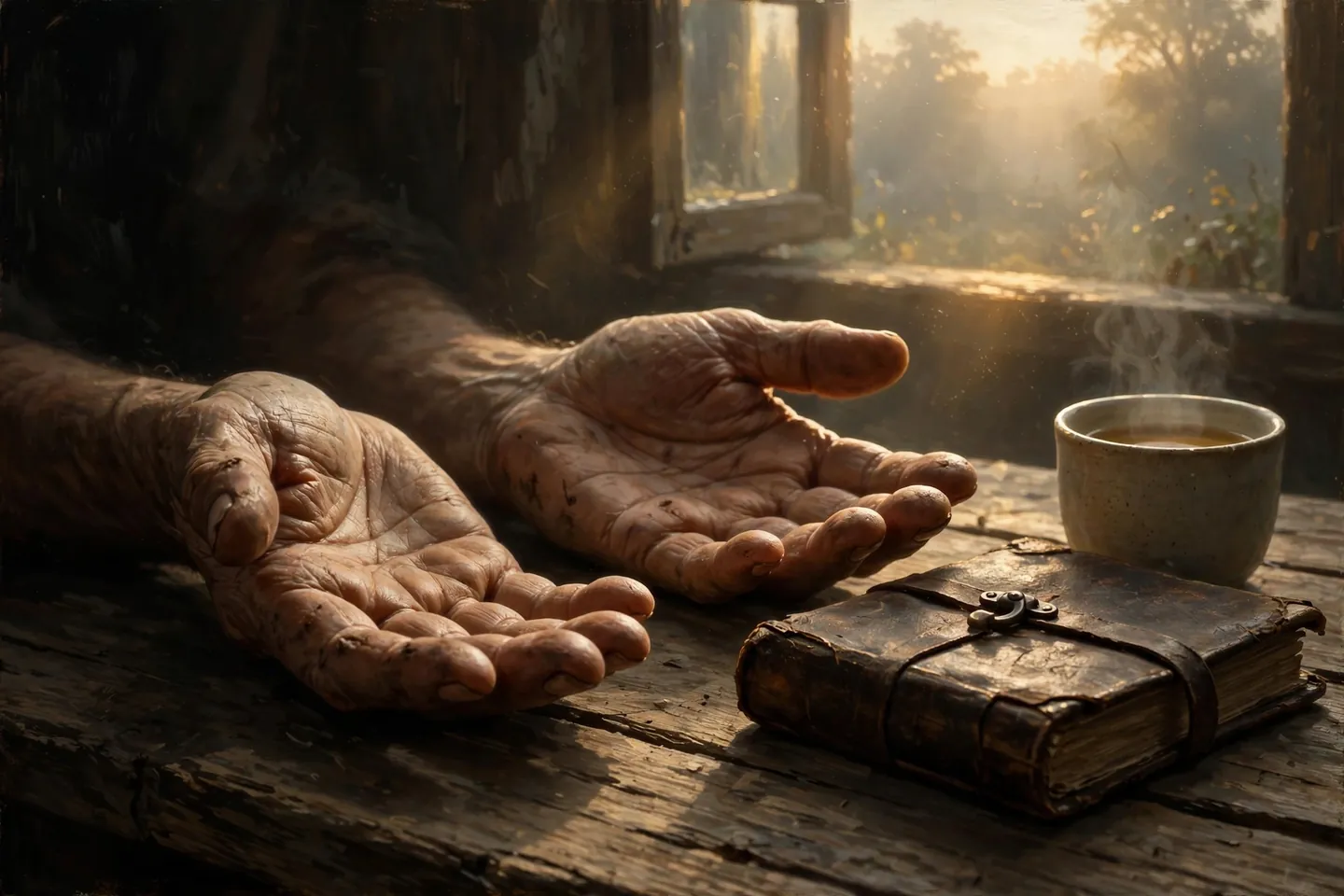
Last thing, and I will say it gently because it deserves gentleness. There is tenderness in a real claim, the kind that does not make it onto the internet because it cannot be photographed. To be known that completely, from before your beginning, by a being who has seen every side of you and stayed, is a form of being kept that no human love quite matches, and I would not trade the weight of mine for a lighter life if you offered me the swap tonight. But the tenderness is not the advertisement and it is not the point. The point is the carrying. If you believe you are claimed, stop announcing it and start answering for it. Go to the door. Let the house look. Accept the duties before you touch the honors, and let years, not weekends, tell you what you are. And if you are not claimed, do not envy the bound their chains. The gods keep many kinds of company, and a free life, honestly lived, is not the lesser portion. It is simply a different road, and all the roads, as somebody at my fire once learned, belong to somebody who watches them. Walk yours like you mean it.
If this landed and you want a human in the room, tell the concierge what is going on.
Begin with the concierge