
From the journal · Lost in the Astral
The Gravity of Rest
Rest is not the absence of work. It is a force, like gravity, that pulls the system back toward equilibrium. Without it, every structure eventually collapses.
Rest is not optional equipment you add when you are “caught up.” In living systems, it behaves more like gravity, quiet, constant, load-bearing. You do not earn gravity; you comply with it. Ignore it long enough and things do not get more efficient.
They fall. This is a Coherence Report on what rest actually does, why collapse gets mistaken for commitment, and how to audit recovery without turning it into another performance.
The invisible pull

You rarely wake up praising gravity. Still, every structure you trust depends on it. Rest is similar: easy to overlook until something slips, sleep, temper, judgment, creativity, the ability to feel pleasure without planning the next move.
Most people frame rest as the opposite of work, as if one cancels the other. That is a bad map. Rest is not anti-productivity.
Rest is what permits productivity that still resembles a human life. Bodies are not machines. Nervous systems are not built for endless sympathetic throttle.
Minds are not meant to sprint without repair.

Brittleness before the fall

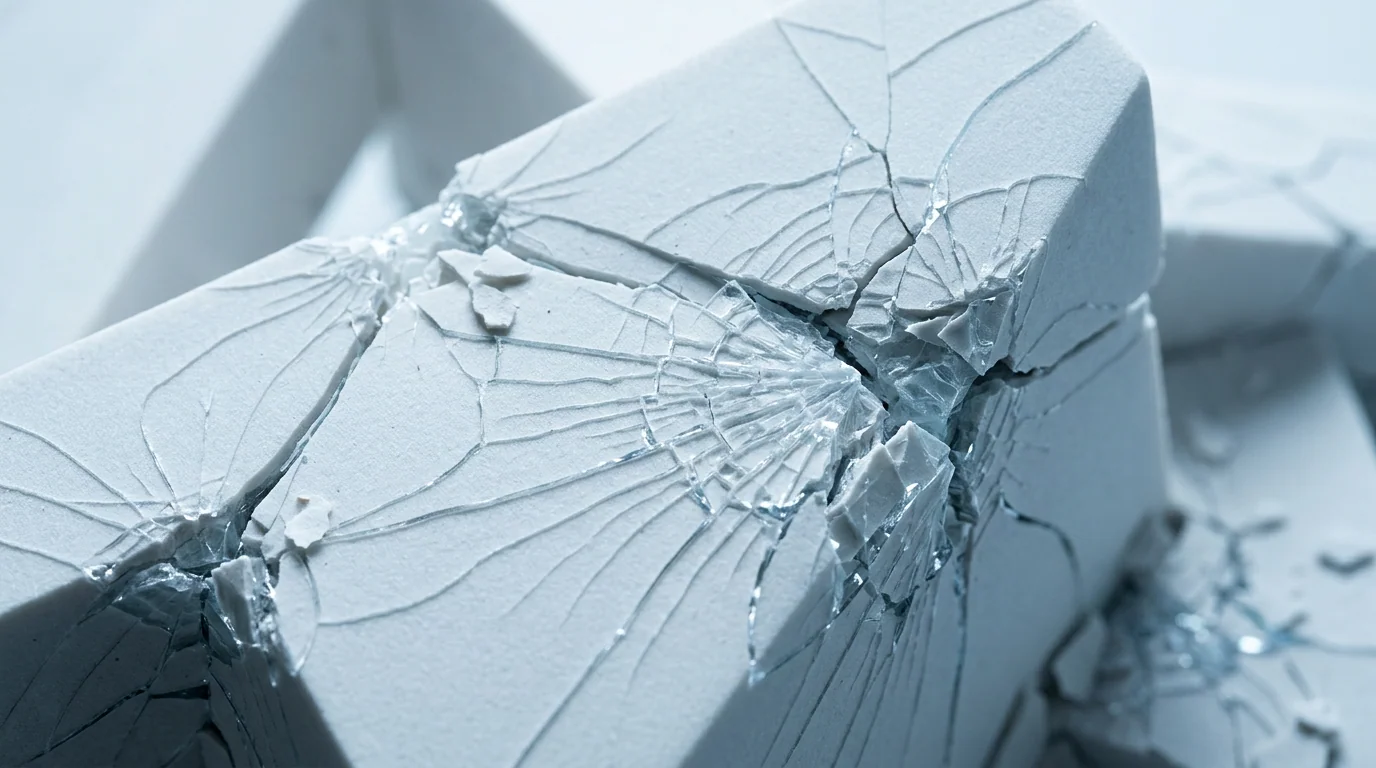
When rest is removed, the system does not become superior. It becomes brittle: shorter tempers, slower stress recovery, worse decisions, emotional volatility, creativity replaced by repetition.
Those signs are often misread as a need for “more discipline.” Pressure rises. Capacity falls. Collapse gets mistaken for commitment. In physiology, recovery is not a prize for good behavior, it is part of the cycle.
Muscle strengthens in repair windows. Memory consolidates in sleep. Regulation depends on parasympathetic restoration.
Without downregulation, there is no sustainable upregulation.
Work requires exertion. Exertion requires recovery. Recovery rebuilds capacity.
Capacity allows meaningful work. Break the loop and everything degrades, in people and in organizations.
What stillness shows you

Many people avoid rest because rest reveals what momentum hides: grief, fatigue, anxiety, emptiness, unanswered questions. Stillness makes the inner weather legible. So people stay busy and call it purpose.
Unresolved material does not vanish because the calendar is full. It loads the system. True rest is not indulgence. It is structural honesty, permission to be a person, not only an output device.

Rest includes sleep, but also margins between commitments, rhythms that protect nervous-system coherence, time where identity is not tied to output, and practices that return you to your body.
Moves

-
Where are you spending more energy than you can recover? Name it without a pep talk.
-
What rest restores you versus numbs you? Numbing has exit ramps; restoration leaves you steadier.
-
Which commitments pretend to be essential while taxing your core system?
-
Install one non-negotiable recovery anchor this week, sleep window, walk, meal, therapy, silence, something that does not require an audience.
-
Track recovery like load-bearing: if it is “optional,” it is already absent.
Safeguards
- Do not moralize exhaustion. Fatigue is often signal, not sin. - Rest is not laziness for people carrying real loads, caregiving, poverty, illness, precarious work.
Design constraints honestly. - After deep pause, re-entry can feel raw. Integrate gently; do not shame the rebound.

Last word
The goal is not to do less forever. The goal is to work from a system that can hold what you are building. Rest is not weakness.
Ignore it and everything cracks. When you are ready to audit how you spend energy, and what actually puts capacity back, the assessment is where we start.
In plain words
Rest is not the absence of work. It is a force, like gravity, that pulls the system back toward equilibrium. Without it, every structure eventually collapses.
Continue reading
More from the journal.

The Cult of Productivity
Productivity is not the same as output. When productivity becomes identity, rest becomes guilt, and the system eventually breaks.
Read on
The Weight of Attention
Attention has mass. Where you place it shapes what grows, and what atrophies. The weight of attention is the first lever of change.
Read on
Where it leads
If this sounds familiar, the next step is simple.
The point is not to collect better language for the same patterns. The point is to identify what is running and decide what happens next.